August 20, 2026
Industrial facilities depend on electrical systems to keep machinery, lighting, production lines, safety equipment, and other essential operations running. Unlike a small office or retail space, an industrial environment may contain extensive wiring, powerful equipment, automated systems, and electrical components that operate under demanding conditions. Because of these requirements, electrical work in an industrial facility calls for knowledge that goes beyond basic installations and repairs.
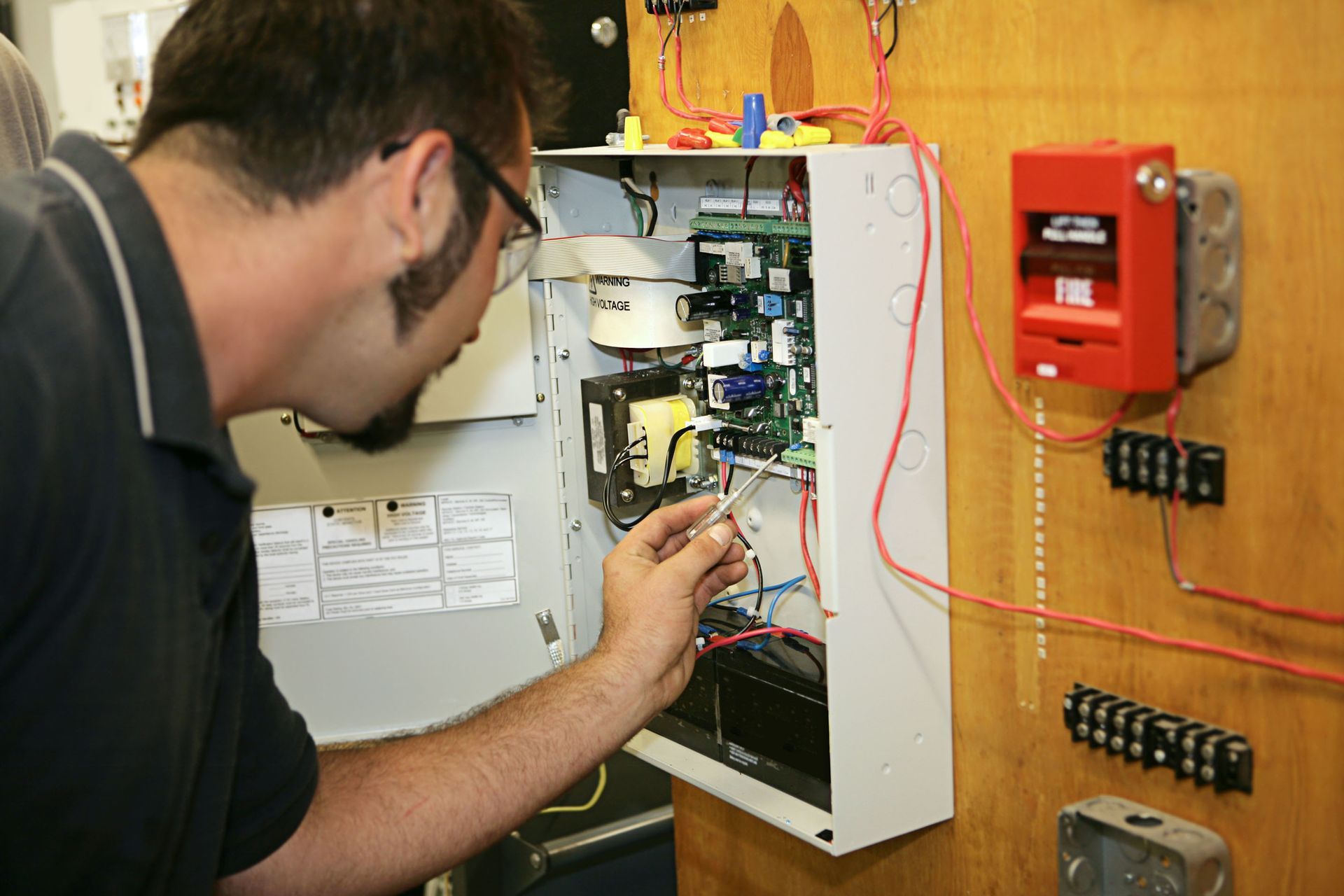
A commercial electrician with relevant industrial experience can help businesses address these demands while maintaining safe and reliable electrical systems. From routine maintenance to equipment installations, qualified electrical professionals play an important role in reducing hazards and supporting uninterrupted operations. Their work can also help facilities identify potential problems before they develop into costly failures.
What Is the Role of a Commercial Electrician in Industrial Facilities?
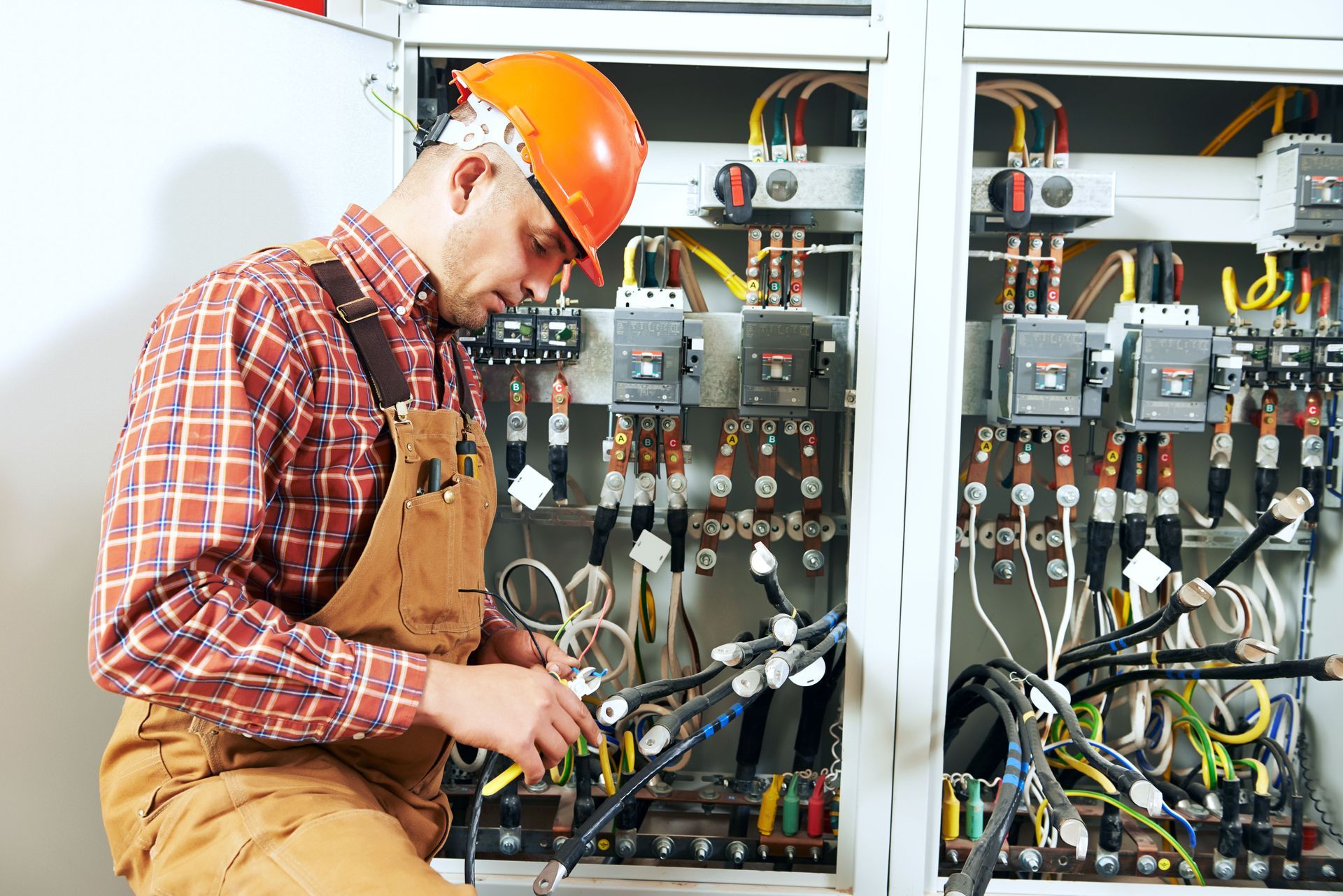
A commercial electrician generally works on electrical systems serving businesses, offices, retail properties, and other commercial buildings. However, some professionals also have experience with industrial environments, where electrical systems can be larger, more powerful, and more demanding. Industrial facilities may require work involving production machinery, motor controls, distribution equipment, specialized lighting, generators, and other electrical infrastructure.
The distinction is important because industrial electrical work can involve conditions that are not commonly found in ordinary commercial buildings. Equipment may operate continuously, electrical loads can be substantial, and a malfunction can interrupt an entire production process. A commercial electrician who has experience with these environments can evaluate existing systems, install electrical equipment, troubleshoot problems, and perform maintenance according to the facility's needs.
According to Electrical Technology, commercial electricians typically handle high-voltage systems that can exceed 600 volts. Industrial facilities may involve electrical systems at these and other voltage levels, making appropriate training, equipment, procedures, and safety practices especially important.
Specialized electricians may also coordinate with facility managers, engineers, equipment manufacturers, and other contractors. This coordination helps electrical work account for the broader requirements of a production environment rather than treating each component as an isolated system.
How Do Specialized Electricians Enhance Safety in Industrial Installations?
Electrical hazards can become particularly serious in industrial facilities because workers may be near energized equipment, motors, machinery, control panels, and high-powered distribution systems. An electrical failure can create risks ranging from equipment damage to fires, electric shock, and unexpected machinery shutdowns.
A commercial electrician working in an industrial setting can follow established safety procedures when installing, inspecting, repairing, or maintaining electrical equipment. Lockout/tagout procedures, appropriate personal protective equipment, equipment grounding, circuit protection, and proper identification of electrical components can all contribute to a safer workplace.
Specialized electricians can also inspect systems for signs of deterioration. Loose connections, damaged insulation, overloaded circuits, corrosion, and failing components may not always be immediately visible to facility personnel. Identifying these conditions during scheduled inspections can provide an opportunity to address them before they contribute to an electrical incident.
Safety also depends on proper installation. Electrical equipment that is incorrectly wired or improperly protected can create problems even when it initially appears to function normally. Professional installation can help industrial facilities reduce these risks while supporting the safe operation of machinery and other equipment.
Why Is It Crucial for Industrial Facilities to Comply With Electrical Codes?
Electrical codes establish requirements intended to protect people, property, and electrical systems. Industrial facilities must account for applicable electrical codes, regulations, equipment requirements, and workplace safety standards when installing or modifying their systems.
Working with a commercial electrician who understands the applicable requirements can help facility owners address these obligations during electrical projects. Code considerations may affect wiring methods, circuit protection, grounding, equipment placement, electrical panels, emergency systems, and other aspects of an installation.
Compliance is also important when a facility expands or upgrades its operations. Adding new machinery can change electrical loads and place additional demands on existing infrastructure. Simply connecting new equipment without evaluating the capacity and configuration of the electrical system could create unnecessary risks.
Code-compliant work can also make future maintenance easier. Proper labeling, accessible components, organized wiring, and appropriate protective equipment can give electricians and facility personnel a clearer understanding of the system when troubleshooting or performing repairs.
What Are the Benefits of Regular Electrical Maintenance Performed by Commercial Electricians?
Electrical maintenance is an important part of keeping industrial operations productive. Waiting until equipment fails can result in unexpected downtime, emergency repair expenses, production delays, and potentially damaged machinery. Regular inspections provide an opportunity to identify developing issues before they become major failures.
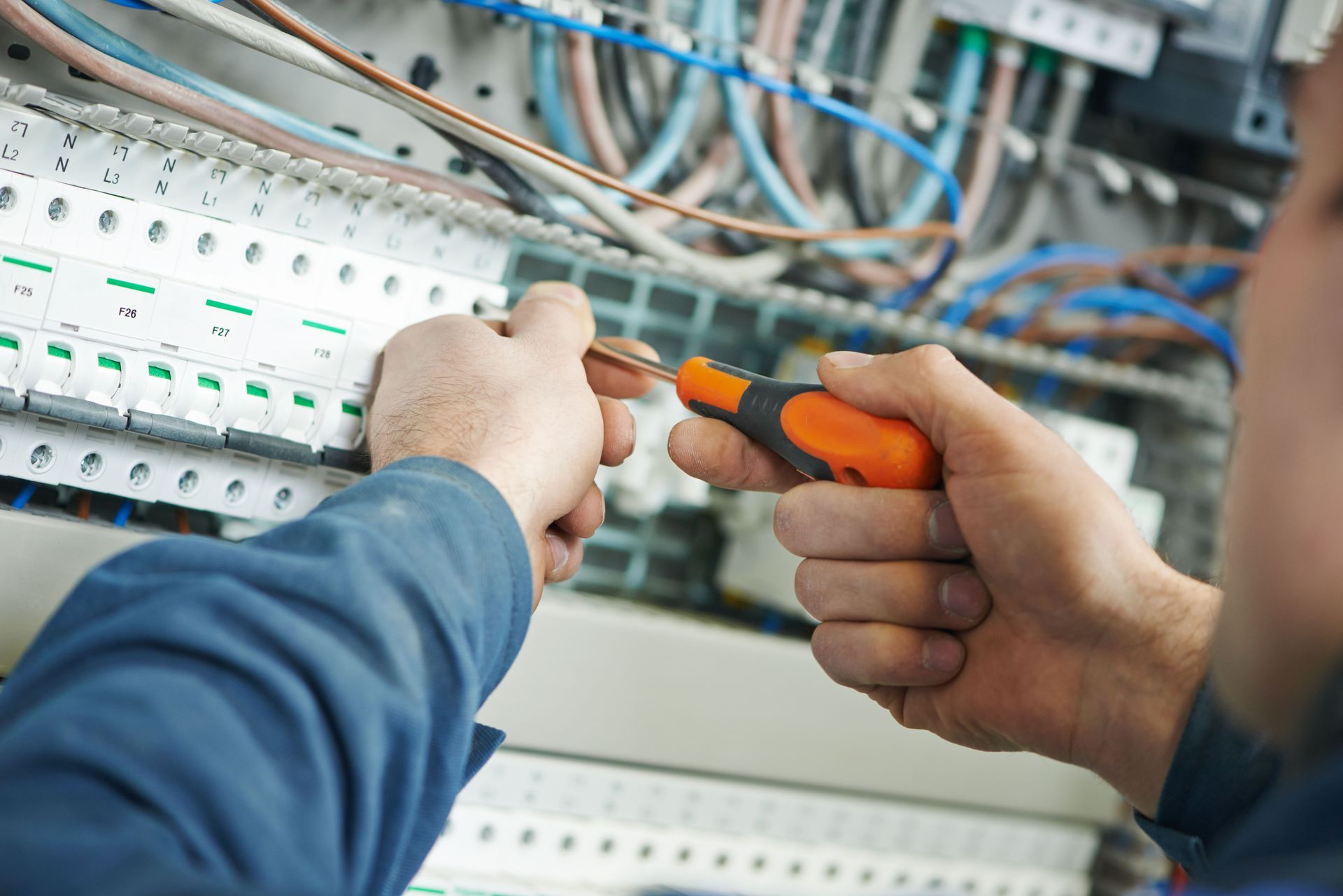
A commercial electrician can examine electrical panels, connections, wiring, motors, lighting systems, and other components as part of a maintenance program. Depending on the facility, maintenance may include testing equipment, checking connections, inspecting protective devices, replacing worn components, and looking for evidence of overheating or electrical deterioration.
Preventive maintenance can also help facilities establish a record of recurring problems. If the same component repeatedly fails, maintenance personnel may be able to identify an underlying issue rather than continually replacing the affected part. This approach can improve reliability and help businesses make more informed decisions about repairs and equipment replacement.
Regular maintenance can be particularly valuable in facilities that operate around the clock. Scheduling inspections during planned downtime may allow electrical work to take place without causing unnecessary disruption to production. A maintenance program can therefore support both equipment reliability and operational planning.
How Do Commercial Electricians Contribute to Energy Efficiency in Industrial Settings?
Energy use can represent a significant operating expense for industrial facilities. Electrical professionals can help businesses identify opportunities to improve efficiency while maintaining the electrical capacity needed for production. Reducing unnecessary energy consumption can also support a facility’s broader cost-control and sustainability goals.
A commercial electrician may evaluate lighting systems, motors, electrical distribution equipment, and other components to identify inefficient or outdated equipment. Upgrading lighting to more efficient technology, improving controls, and addressing electrical problems that contribute to unnecessary energy consumption can help reduce operating costs over time. These improvements may also reduce the strain placed on electrical equipment, potentially supporting longer equipment service life.
Electricians can also assist with electrical infrastructure for newer technologies. Depending on the facility, this may include equipment associated with automation, energy monitoring, power management, or on-site energy systems. These upgrades require careful consideration of existing electrical capacity and the facility’s operating requirements. Proper planning can help prevent new equipment from placing excessive demands on an existing electrical system.
Energy efficiency is not limited to replacing individual components. A broader evaluation of the electrical system can reveal opportunities to improve how energy is distributed and consumed throughout a facility. By combining maintenance with strategic upgrades, businesses may reduce waste while creating a more reliable electrical environment. Regular evaluations can also help facility managers prioritize improvements based on potential energy savings, operational needs, and available resources.
Industrial facilities depend on electrical systems that must support demanding equipment, continuous operations, and strict safety requirements. Specialized electrical knowledge can help businesses address these needs through proper installation, preventive maintenance, code compliance, safety practices, and energy-efficiency improvements.
A
commercial electrician with experience working in industrial environments can provide valuable support throughout the life of an electrical system. Whether a facility is installing new machinery, maintaining existing infrastructure, addressing an electrical problem, or planning an expansion, qualified electrical work can contribute to safer and more dependable operations. For industrial businesses, choosing the right electrical professional is an important part of maintaining productive and resilient facilities. If you're looking for experienced commercial electricians, contact AccuTex Electric, LLC today!