September 21, 2026
Behind the scenes of every busy manufacturing plant, complex networks of wires and conduits supply constant power to heavy machinery. Keeping these large facilities running without interruption requires technical knowledge and quick problem-solving skills. Every piece of equipment on the factory floor relies on steady electrical current to maintain daily production schedules. Working behind the scenes in large production plants, industrial electricians keep production lines moving smoothly every single day. They handle everything from running heavy conduit along factory ceilings to connecting high-voltage motor controls.
Manufacturing facilities rely on steady electrical current to meet daily production goals and fill customer orders on time. Unlike standard residential or commercial wiring, industrial systems handle much higher voltages and operate in demanding working environments. Vibrations and severe temperature shifts can place heavy strain on delicate electrical components. Skilled technicians inspect these electrical connections regularly to prevent unexpected power drops and component failures.
Installing Heavy Machinery Wiring
Setting up new assembly lines or heavy machinery involves much more than plugging equipment into a wall outlet. Each machine requires precise voltage calculations and heavy-gauge wiring to function safely. Having skilled industrial electricians on site ensures that heavy equipment gets the proper voltage and wiring without overloading the main power distribution system.
Proper installation also involves placing protective steel conduit to shield sensitive wiring from physical impacts and harsh chemical exposure. Technicians carefully route power lines around moving crane paths and heated machinery zones. Correctly installed wiring reduces mechanical wear while preventing fire hazards across the plant floor.
Proper wire sizing is critical when connecting high-horsepower motors and heavy resistive loads. Undersized conductors create excess heat and voltage drops, which can damage sensitive electronics inside machine control cabinets. Taking time to calculate proper wire gauges ensures that equipment operates at peak efficiency.
Reading Complex Circuit Blueprints
Before running a single foot of wire or mounting a subpanel, technicians must thoroughly study detailed electrical schematics. These complex drawings map out the entire electrical architecture of a facility, showing how power flows from utility transformers down to individual machine switches. Understanding these diagrams allows technicians to plan safe installations and make clean modifications when plant layouts change.
Reading blueprints accurately prevents costly installation errors and keeps complex construction projects moving forward on schedule. When facility managers decide to rearrange production bays or add new processing lines, technicians review the technical drawings to calculate available power capacity. Careful calculations prevent unexpected overloads when new machinery powers up for the first time.
Maintaining Continuous Factory Workflows
In any commercial or industrial manufacturing environment, unexpected downtime directly hurts the bottom line. Every hour a production line sits idle due to a blown fuse or failed motor starter leads to lost output and delayed shipments. Experienced technicians work proactively to identify weak points in the power grid before they turn into full-scale outages.
Troubleshooting Motor Control Systems
Electric motors drive the conveyor belts and hydraulic presses that power manufacturing workflows. When a main breaker trips or a conveyor stops, industrial electricians quickly locate the source of the problem using advanced testing instruments. They check voltage levels and measure resistance across motor windings to pinpoint faulty parts.
Rapid diagnostic work allows manufacturing facilities to resume full operation with minimal disruption to daily production schedules. Technicians carry multimeters and testing gear to isolate issues safely inside live control cabinets. Resolving motor control issues quickly keeps production output steady and prevents secondary physical damage to connected mechanical drives.
Servicing High-Voltage Power Distribution
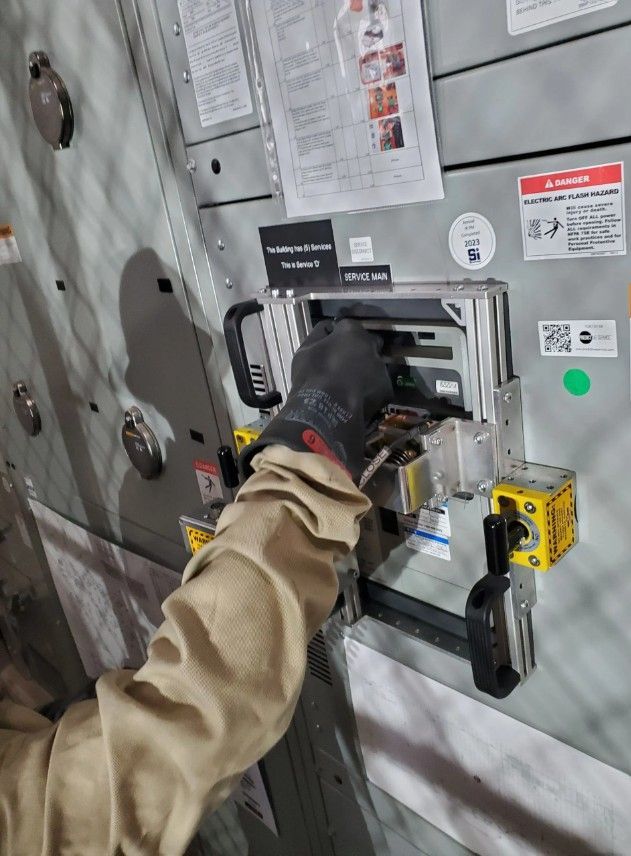
Power entering an industrial facility arrives at extremely high voltages that must be stepped down through transformers before reaching production equipment. Maintaining these primary distribution panels and switchgear units requires safety protocols and heavy-duty equipment. Technicians clean contacts and torque cable connections to maintain system stability.
Regular servicing prevents loose connections from overheating and causing severe arc faults or unexpected power outages. Maintaining clean contact points preserves total power quality. Checking transformer fluid levels and monitoring internal temperature gauges helps technicians identify mechanical wear early.
Prioritizing Facility Safety Protocols
Safety sits at the center of all industrial electrical work. High-voltage power circuits carry enough energy to cause severe injuries or equipment damage if handled incorrectly. Because high voltage carries inherent risks, industrial electricians follow strict safety guidelines on every job to protect themselves and factory workers.
Following Strict Electrical Codes
Industrial installations must strictly conform to national and local electrical standards. Regulations like the National Electrical Code dictate minimum wire gauges and conduit support spacing. Adhering to these established guidelines guarantees that the electrical infrastructure can safely handle its designed load under heavy everyday use.
Following proper safety standards also shields facility managers and property owners from costly regulatory fines and failed building inspections. Technicians stay informed about changing code requirements to ensure that all fresh installations meet or exceed current safety standards.
Code compliance extends to proper grounding and bonding techniques across the entire plant. Establishing a continuous ground path safely redirects fault currents into the earth, tripping protective devices instantly. Effective grounding protects workers from electric shock and prevents electrical noise from interfering with control signals.
Inspecting Main Control Panels
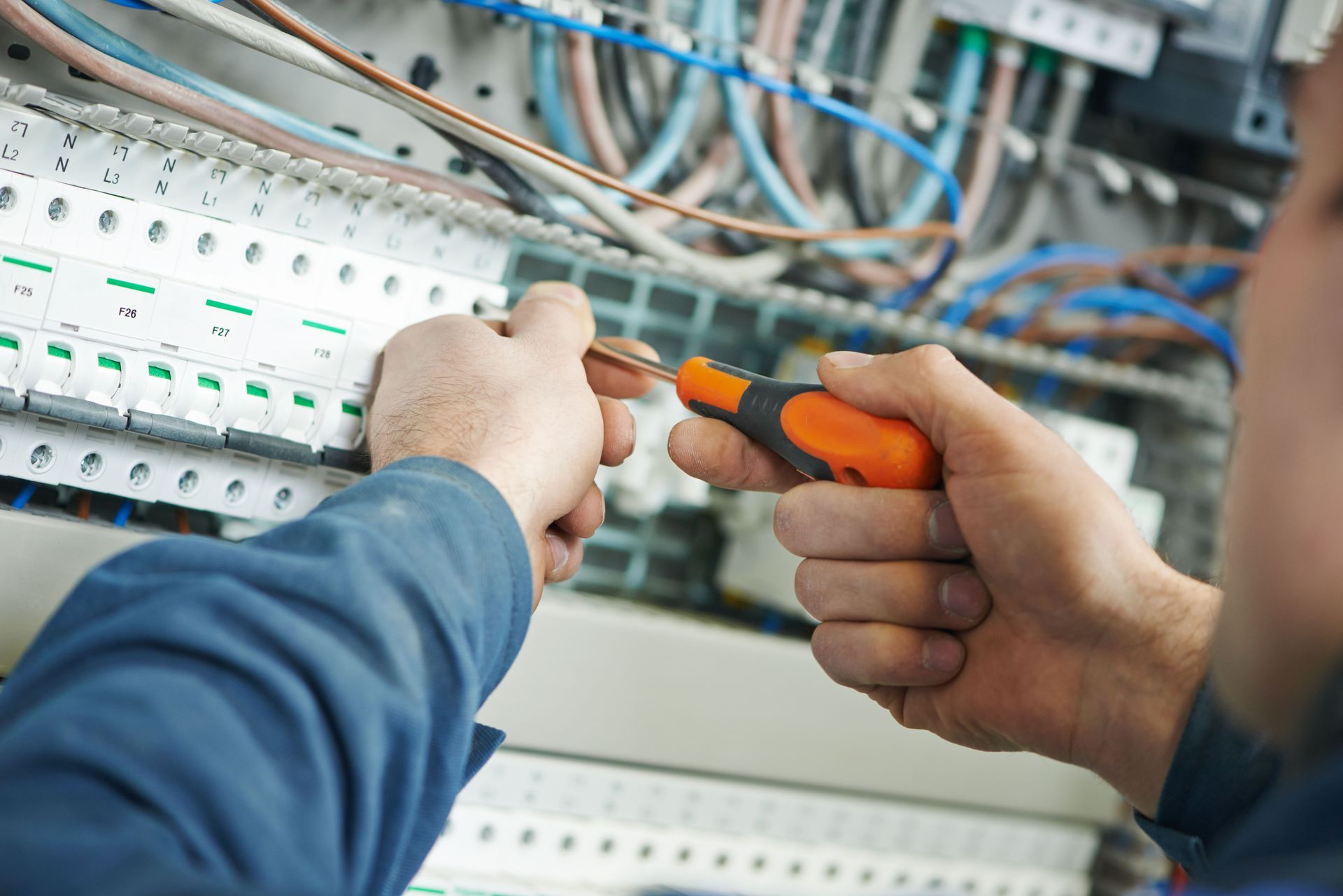
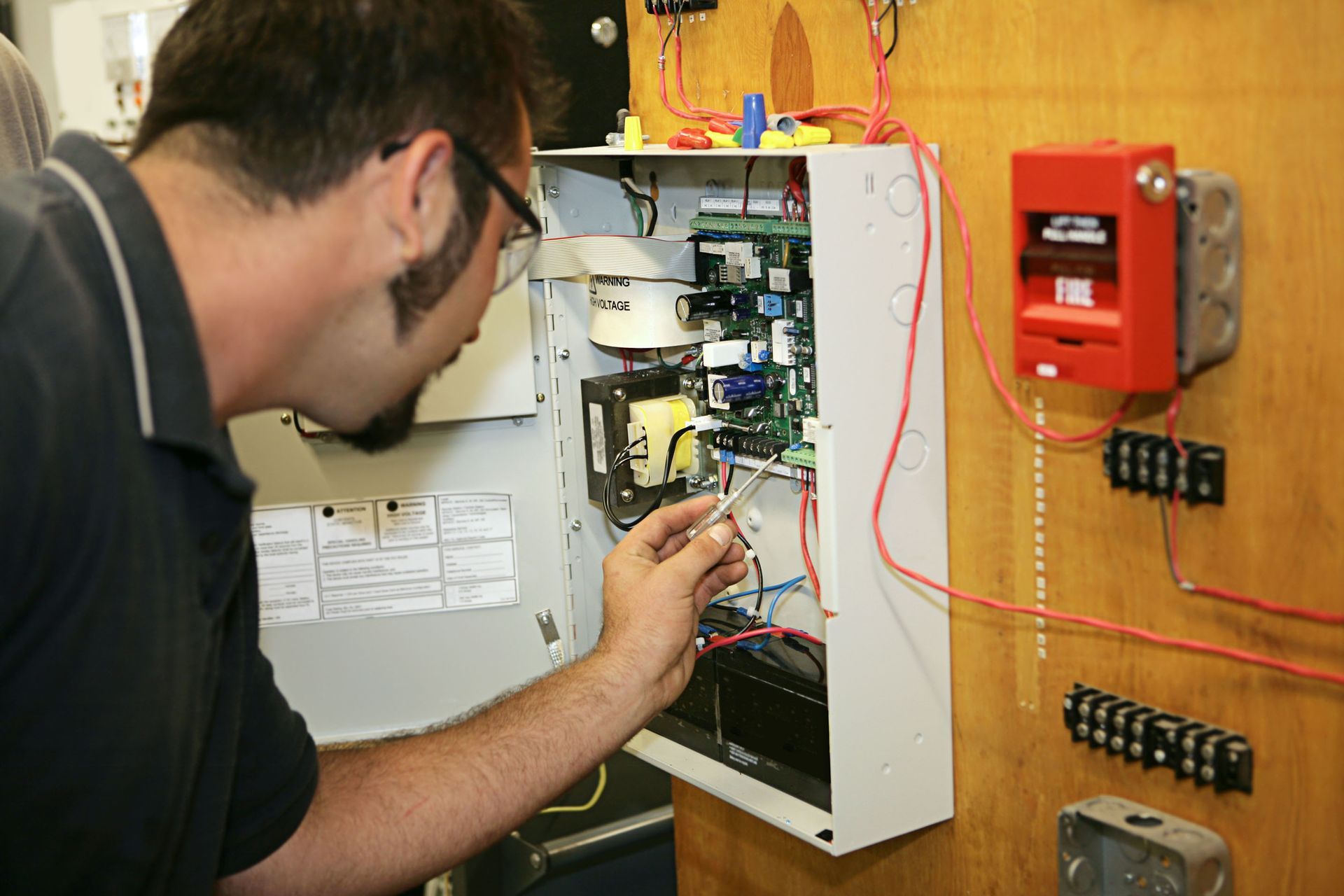
Control panels act as the brain center for industrial machinery, housing relays and circuit breakers. Over time, vibration and dust accumulation can loosen terminal connections or degrade internal components. Routine panel inspections involve checking for signs of discoloration or excessive heat buildup using thermal tools.
Taking time to clean out panel enclosures and carefully tighten screw terminals prevents unexpected short circuits and power disruptions. Technicians verify that door interlocks and safety disconnects function properly. Keeping control panels in top condition protects sensitive electronic controls and ensures that emergency shutoff systems work instantly when needed.
Supporting Expanding Industrial Capacity
As manufacturing companies grow and update their operations, their power demands naturally increase. According to IBISWorld, the U.S. electrical industry is projected to reach $347.5 billion in revenue in 2026. With this massive growth, experienced industrial electricians remain essential for keeping facilities running smoothly and helping plants expand their capacity.
Upgrading Aging Power Equipment
Many long-standing manufacturing plants operate with electrical infrastructure installed decades ago. While heavy-duty equipment is built tough, aging panels and worn conduit can struggle to meet current operational demands. Upgrading older main panels and distribution lines boosts overall power capacity while eliminating frequent breaker trips across the facility.
Replacing obsolete electrical gear also makes finding replacement parts much easier when routine maintenance is required. Upgraded subpanels allow facility managers to add new machinery without fear of overloading existing circuits. Investing in infrastructure updates prepares manufacturing plants for higher production volumes and long-term business growth.
Maintaining a safe, efficient manufacturing plant requires working with an experienced electrical contractor who understands heavy industry needs. From installing new motor controls to performing routine switchgear maintenance, professional care keeps your operations running reliably. When you need reliable commercial or industrial electrical support for your facility, hiring experienced industrial electricians protects your equipment and keeps your workflow on track.
If you want to enhance the reliability and safety of your manufacturing facility, working with the team at AccuTex Electric, LLC offers full-service industrial electrical installations and ongoing system maintenance tailored to your facility. To discuss your upcoming project or schedule a facility evaluation, contact AccuTex Electric, LLC today.