November 18, 2026
Modern retail centers function as hubs where commerce meets consumer lifestyle needs. The shift toward battery-powered transportation transforms how motorists interact with public shopping centers. Drivers abandon traditional fuel pumps on highway fringes, preferring to connect vehicles to power outlets during standard errands. A parking grid becomes an active amenity that generates recurring revenue and elevates consumer sentiment across a commercial property.
Transforming asphalt acreage into an energetic refueling hub demands thorough foresight, strategic infrastructure planning, and clear organizational alignment. Implementing hardware without prior preparation yields unexpected delays, inflated budgets, and frustrated shoppers facing broken hardware. Success requires a comprehensive roadmap that evaluates electrical delivery, parking grid designs, operational software, and patron accessibility. Calculated preparation guarantees that every commercial asset performs at peak capacity.
Assessing Electrical Grid Capacity for Deployment
A retail parking facility functions through an established electrical ecosystem tailored for store illumination and interior environmental control. Integrating a commercial EV charging station into that existing circuit architecture presents an immediate surge in operational power draw. Property managers must schedule a site power audit with licensed electrical engineers. These professionals evaluate the primary service drop and transformer sizing to verify available amperage.
When utility panels operate near existing thresholds, properties encounter choices between grid infrastructure overhauls or smart electrical distribution systems. Heavy electrical demands might necessitate new commercial transformers or dedicated subpanels tailored for high-voltage energy delivery. Modern load management systems mitigate hardware costs by balancing energy across various ports based on vehicle requirements. Securing approval from regional utility providers prevents regulatory holdups.
The physical distance between power sources and parking fields represents a vital calculation in structural planning. Longer wire conduits require heavier copper cabling, extensive directional boring, and deep ground trenching, which inflate project budgets. Placing pedestals in proximity to primary electrical rooms curtails energy transmission loss. Property stakeholders must map underground utility lines to prevent accidental disruption of water pipes or communications conduit.
Long-term expansion considerations belong at the center of preliminary electrical designs. Accommodating initial hardware represents a preliminary phase of a phased transition across commercial property portfolios. Trenching asphalt creates significant surface disruption, meaning underground conduit installation should include surplus empty tubes. Preparing underground paths enables management teams to install an additional commercial EV charging station without re-excavating finished driving lanes.
Optimizing Parking Bay Layouts for Convenience
Layout geometry dictates whether an electric car amenity functions with ease or creates traffic bottlenecks. Retail developers must evaluate traffic movement patterns, entryway sightlines, and standard vehicular turning radii before designating specific stalls for battery replenishment. Stalls positioned close to storefront entrances invite misuse from combustion vehicles. Striking an optimal spatial equilibrium preserves regular customer accessibility while granting motorists reliable charging reservations.
Physical space dimensions demand careful adjustment to handle electric vehicle geometry and thick charging cables. Standard vehicle berths prove tight when patrons must retrieve heavy charging couplers and access charging ports located on varied vehicle corners. Widening designated spaces provides ample clearance around vehicle perimeters. Clear asphalt striping and visible signage instruct motorists regarding proper lane orientation and dedicated parking expectations.
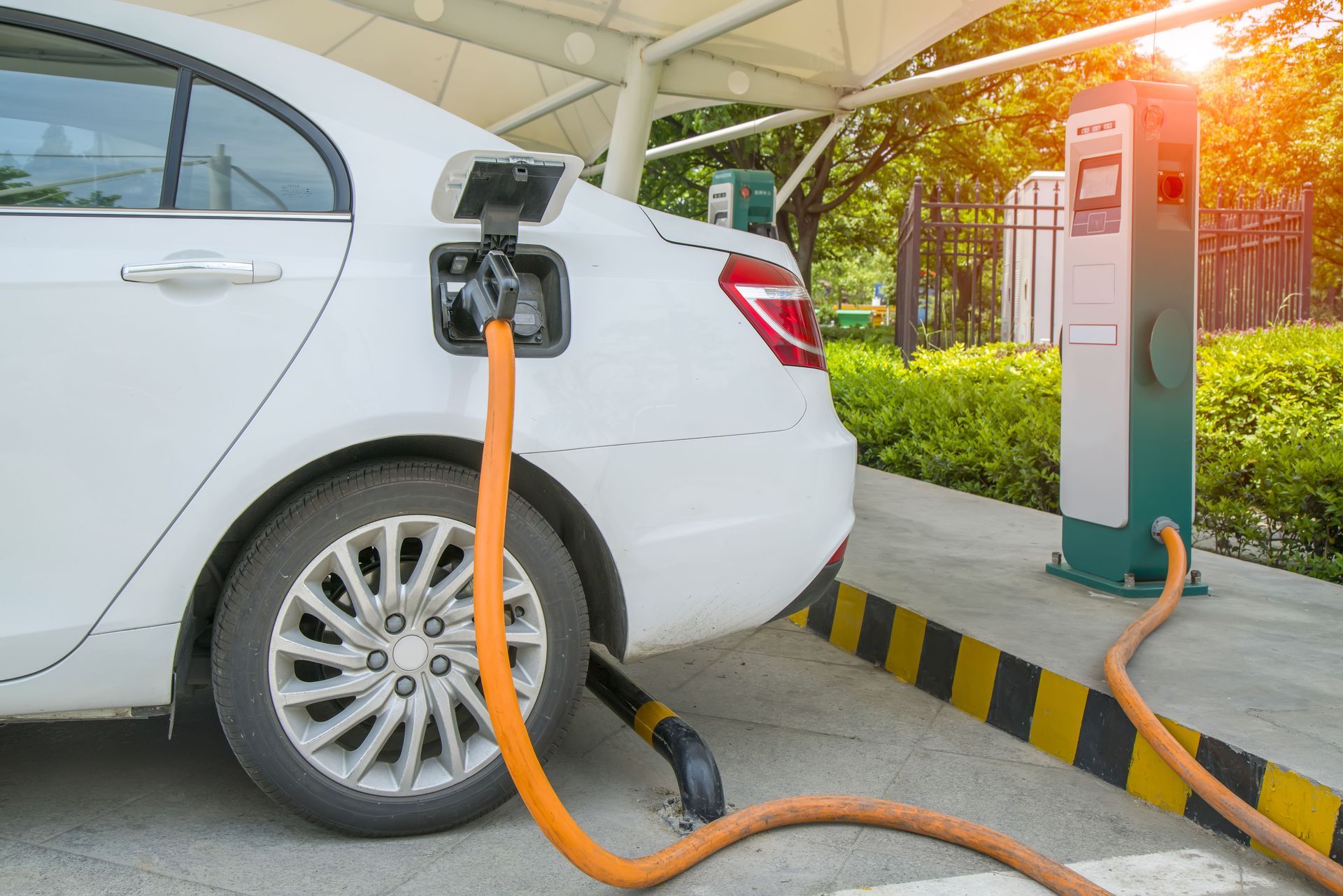
Physical asset protection forms an essential element of parking lot design. Heavy commercial vehicles, delivery vans, and inattentive motorists introduce collision risks to delicate charging pedestals. Embedding steel bollards into reinforced concrete bases in front of each commercial EV charging station creates an impenetrable physical boundary against accidental impact. Designing robust defensive perimeters preserves capital equipment investments and protects property visitors.
The surging presence of battery-powered vehicles across the automotive sector underscores the necessity of dedicated parking designs. According to Policy Advice, there are over 5.6 million electric vehicles in the world. Accommodating this substantial global vehicle presence requires lots to balance regular patron parking with dedicated, modern power bays. Smooth asphalt grading and unobstructed connector reach empower every motorist to utilize the charging equipment.
Selecting Hardware and Software for Reliability
Hardware selection determines the fundamental speed, durability, and operational longevity of retail power amenities. Property stakeholders choose between alternating-current equipment, which recharges vehicle batteries over extended durations, and direct-current fast-charging equipment, which delivers rapid power replenishment. Big-box retail centers thrive when deploying rapid charging systems that supply significant range during brief shopping visits. Aligning equipment recharge speeds maximizes equipment utility and enhances satisfaction.
Physical cabinet construction requires resilience against harsh environmental conditions, deliberate vandalism, and relentless daily operation. Outdoor installations must withstand heavy summer rain, freezing winter frost, seasonal ultraviolet radiation, and corrosive deicing chemicals. Specifying weather-sealed enclosures featuring industrial-grade aluminum housings shields delicate internal electronic components from moisture. Cable management holsters with counterbalanced retraction systems prevent charging cords from suffering damage beneath vehicle tires.
Underlying software architectures dictate the convenience of payment processing, energy monitoring, and remote network oversight. Open charge point protocol compliance ensures that hardware remains decoupled from restrictive software vendors. Cloud-connected dashboards deliver immediate visibility into energy throughput, station availability, individual session durations, and revenue collection. Integrating an open-access commercial EV charging station into global navigation databases ensures visibility for passing drivers.
Authentication systems influence customer interaction ease and patron loyalty. Motorists resist complicated, proprietary software applications that mandate time-consuming account sign-ups on mobile devices before power delivery begins. Implementing contactless tap-to-pay terminals, credit card readers, and universal radio-frequency payment options eliminates transaction barriers. Retail marketing divisions can integrate charging rewards into existing store loyalty applications. Streamlined payment interactions build immediate customer goodwill.
Managing Construction and Maintenance for Longevity
Executing the physical transition demands careful construction logistics to maintain regular retail shopping flow. Trenching, directional boring, and concrete pouring create noise, dust, and localized parking closures that irritate retail tenants and shoppers. General contractors must phase civil work by isolating small parking sectors. Coordinating noisy excavation before retail storefronts welcome morning shoppers minimizes commercial disruptions and preserves retail tenant relations.
Permitting processes and municipal code compliance require thorough attention from development leaders. Local building authorities enforce stringent regulations regarding electrical safety, storm-water drainage around transformer pads, and accessibility compliance. Submitting complete engineering drawings, structural calculations, and environmental impact assessments accelerates review cycles across regional building departments. Timely compliance approvals prevent prolonged project freezes and ensure operational launches proceed according to established schedules.
Ongoing maintenance schedules safeguard equipment uptime and protect customer experiences after project commissioning. Neglected charging infrastructure degrades into broken monuments that frustrate drivers and damage retail brand credibility. Establishing comprehensive service agreements guarantees rapid technician dispatch when operational faults or component malfunctions emerge. Retaining an operational commercial EV charging station establishes dependable brand credibility that travelers seek when planning routes.
Continuous performance analysis enables commercial retail managers to optimize pricing, schedule equipment expansions, and maximize site profitability. Periodic energy audits disclose patterns in equipment utilization, identifying peak charging hours, typical dwell lengths, and total kilowatt-hour sales. These diagnostic metrics help management decide when customer demand justifies installing a subsequent commercial EV charging station within adjacent parking zones. Transparent data tracking ensures capital investments yield predictable commercial benefits.
Pioneering the modernization of retail parking facilities positions commercial properties at the forefront of transportation shifts. Transforming dormant parking bays into energetic charging destinations captures affluent, environmentally aware shoppers who seek convenient refueling opportunities during their weekly shopping errands. Retail locations that address these architectural prerequisites secure competitive advantages that elevate everyday store traffic and commercial brand equity.
As vehicular technology progresses, passenger vehicles will depend on accessible public charging networks embedded within daily commercial destinations. Retail environments that adapt their parking footprints will thrive as energetic lifestyle destinations, while unprepared facilities risk losing consumer engagement to progressive competitors. Embracing modern vehicular amenities transforms standard commercial real estate into a vibrant, future-ready retail environment. At AccuTex Electric, LLC, we deliver comprehensive installation services to ensure your new
commercial EV charging station operates with peak efficiency. Contact our team to begin preparing your retail parking lot for the future of transportation.